Small Engine Repair in Chicago: What We Fix, How It Works, and When to Bring It In

When a mower, snowblower, generator, pump, saw, or pressure washer stops working, the problem usually shows up at the worst possible time.
The lawn is already high. The first snow is coming. The jobsite is waiting. The crew needs the saw running today. The generator has to start when the power goes out.
That is why having a reliable small engine repair shop in the Chicago area matters.
At A&A Equipment & Supply, we help homeowners, contractors, municipalities, and jobsite crews keep their equipment running. Whether it is seasonal outdoor power equipment or contractor-grade jobsite equipment, our repair shop is built around one simple goal: get the machine diagnosed, repaired, and back in service as quickly as possible.
What Counts as Small Engine Equipment?
Small engine equipment usually includes machines powered by gas engines, diesel engines, or compact utility engines. These are the machines people depend on for landscaping, construction, utility work, snow removal, power generation, and general property maintenance.
Common equipment includes:
Lawn mowers
Snowblowers
Generators
Pressure washers
Water pumps
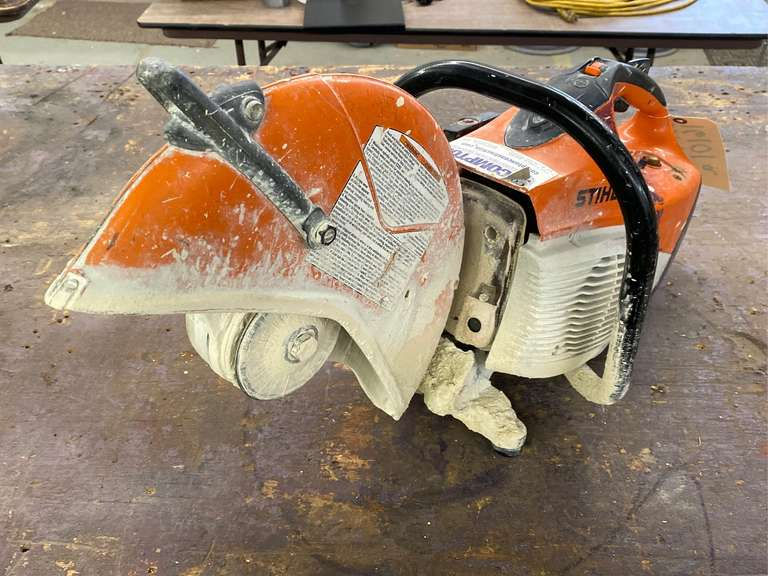
Cut-off saws
Plate compactors
Rammers
Concrete saws
Trenchers and small jobsite equipment
Blowers, trimmers, and other outdoor power equipment
For homeowners, this equipment is usually seasonal. For contractors, it is part of the daily workflow. Either way, when it does not start, loses power, leaks, stalls, or runs rough, it becomes a real problem.
Common Small Engine Problems We See
Most small engine repair issues fall into a few common categories.
The most frequent problem is fuel-related. Gas sits too long, ethanol attracts moisture, carburetors gum up, filters clog, and the engine struggles to start or stay running. This is especially common after winter storage or after equipment sits unused for months.
Other common problems include:
Equipment will not start
Engine starts and then dies
Engine surges or runs rough
No spark
Bad fuel or old gas
Carburetor issues
Clogged air filters
Dirty or fouled spark plugs
Fuel line problems
Pull cord or recoil starter issues
Oil leaks
Loss of power under load
Belts, blades, pumps, or wear parts failing
Battery or charging issues on electric-start equipment
Many of these problems are fixable. The key is diagnosing the issue correctly before throwing parts at the machine.
Small Engine Repair for Homeowners
For homeowners in the Chicago area, the most common repair needs are usually tied to the seasons.
In spring, lawn mowers come out of storage and will not start. Sometimes the issue is bad gas. Sometimes it is a carburetor, spark plug, blade, belt, cable, or filter. A basic tune-up can often bring the mower back to life and help it run better through the season.
In fall and winter, snowblowers become the priority. The worst time to find out your snowblower does not work is the night before a storm. A pre-season inspection can help catch fuel issues, belt problems, scraper bar wear, shear pin problems, and starting issues before the snow hits.
Generators are another important category. Many people only use them during outages, which means they may sit for long periods. That creates fuel and carburetor problems. A generator should be tested, serviced, and load-checked before you actually need it.
Small Engine Repair for Contractors
Contractors have a different problem: downtime.
A broken saw, pump, plate compactor, rammer, or generator does not just sit in the garage. It slows down a crew. It delays a job. It can create extra rental costs, lost labor hours, and missed production.
For contractors, small engine repair is not just about fixing equipment. It is about keeping the job moving.
Common contractor equipment we service includes:
Cut-off saws
Concrete saws
Plate compactors
Rammers
Pumps
Generators
Pressure washers
Small engine-driven jobsite equipment
For sewer, water, concrete, asphalt, landscape, and utility contractors, repair speed and communication matter. A good repair process should tell you what is wrong, what it will cost, whether it is worth fixing, and when you can expect the equipment back.
Repair or Replace?
One of the most important questions is whether the machine is worth repairing.
The answer depends on the equipment, age, condition, brand, parts availability, and replacement cost.
As a general rule, repair often makes sense when:
The equipment is commercial-grade
The engine and frame are still in good condition
The repair cost is reasonable compared to replacement
Parts are available
The machine is used often enough to justify the repair
Downtime would cost more than the repair
Replacement may make more sense when:
The equipment is low-cost homeowner-grade equipment
Repair cost approaches replacement cost
Parts are obsolete or hard to find
The engine has major internal damage
The machine has repeated failures
Safety is compromised
A good repair shop should be honest about this. Sometimes the right answer is to repair it. Sometimes the right answer is to replace it.
What to Bring When Dropping Off Equipment
When bringing equipment in for repair, the more information you provide, the better.
Helpful information includes:
Brand and model
Engine brand and model
What happened before it stopped working
Whether it starts at all
Whether it runs with choke on
Whether old gas may be in the tank
Any recent repairs or parts replaced
Whether the problem happens under load
Whether the equipment is used residentially or commercially
For larger contractor equipment, it is also helpful to call ahead. That allows the shop to confirm space, handling, and whether any special information is needed before drop-off.
Preventive Maintenance Matters
The best repair is the one you avoid.
Most small engine failures can be reduced with basic maintenance:
Use fresh fuel
Avoid letting gas sit too long
Change oil as recommended
Replace air filters
Check spark plugs
Keep blades sharp
Inspect belts and cables
Clean equipment after use
Run generators periodically
Store seasonal equipment properly
For contractors, preventive maintenance should be part of the operating rhythm. Equipment that gets used every week should not only be serviced when it breaks. The goal is to catch problems before the machine fails in the field.
Why Choose A&A Equipment & Supply?
A&A Equipment & Supply is more than a repair shop. We work with contractors, municipalities, property owners, and homeowners who depend on equipment to get work done.
Our team understands the difference between a homeowner mower that needs a tune-up and a contractor saw that needs to be back on the job. We also understand the importance of parts, communication, turnaround, and honest repair recommendations.
If you need small engine repair in the Chicago area, A&A can help with mowers, snowblowers, generators, pumps, pressure washers, saws, compactors, rammers, and other outdoor power or jobsite equipment.
Need Small Engine Repair in Chicago?
If your equipment will not start, runs rough, loses power, leaks, stalls, or needs a seasonal tune-up, bring it to A&A Equipment & Supply.
We service homeowners, contractors, municipalities, and jobsite crews throughout the Chicago area.
Visit https://aa.equipment or contact A&A Equipment & Supply to ask about small engine repair, equipment service, parts, and jobsite equipment support.