
The Hidden Cost of Equipment Downtime on Underground Utility Crews
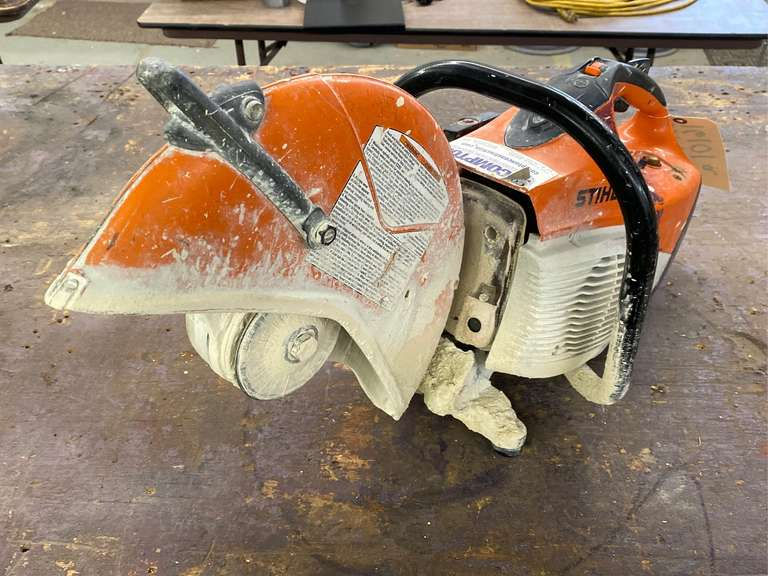
When a saw, pump, rammer, or generator goes down on an underground utility job, most contractors do not just lose a piece of equipment. They lose momentum.
Downtime on sewer and water work creates a ripple effect across the whole job. Crews get delayed. Labor keeps burning. Inspections get pushed. Restorations get rescheduled. And the real cost usually ends up being much higher than the repair bill or replacement cost.
For Illinois sewer and water contractors, understanding the hidden cost of equipment downtime is critical. The fastest way to protect margin is not just buying equipment. It is keeping the equipment you already have running.
Downtime Is More Than a Repair Problem
A lot of contractors look at a broken piece of equipment and ask one question:
“How much will it cost to fix?”
That matters, but it is usually not the most expensive part of the problem.
The bigger questions are:
How many crew members are standing around while the equipment is down?
Will the crew have to leave the site and come back another day?
Does the outage delay pipe installation, compaction, cutting, pumping, or cleanup?
Will the GC, municipality, or inspector now have to adjust schedule?
Does the crew need to rent, borrow, or rush-buy another machine?
A generator that will not start, a saw that bogs down, or a rammer that is not hitting correctly can slow an entire day’s production. On public works and utility jobs, one breakdown can affect everything downstream.
The Labor Cost Adds Up Fast
Underground utility work is crew-based. That means even one small machine failure can multiply into a much bigger labor loss.
For example, if a compact rammer goes down during backfill work, you are not just dealing with the cost of that machine. You may also be paying:
Operator wages
Laborer wages
Foreman time
Truck and fuel cost
Idle excavator or support equipment time
Extra mobilization if the work has to be finished later
That is why a repair that looks “expensive” on paper can actually be cheap compared to a half-day or full-day delay.
Small Equipment Often Carries Big Jobsite Consequences
On underground jobs, some of the most important pieces of equipment are not the biggest. They are the machines crews depend on constantly.
That includes:
Cut-off saws
Trash pumps
Plate compactors
Jumping jacks / rammers
Portable generators
Core drills
Small compressors
These are the machines that keep production moving in the field. When one fails, the job does not always stop completely, but it often slows enough to hurt productivity and margin.
Downtime Hurts Scheduling Too
Utility contractors in Illinois are often managing tight schedules, permit windows, inspections, traffic control requirements, and coordination with municipalities or general contractors.
When key equipment fails, the damage is not limited to that moment. It can create:
Missed inspection windows
Delayed pavement or concrete restoration
Rescheduled trucking or hauling
Crew stacking issues on other jobs
Pressure to rush work later in the week
This is where equipment downtime starts to affect the whole company, not just one jobsite.
Emergency Replacements Usually Cost More
When equipment fails unexpectedly, contractors are forced into bad buying decisions.
Instead of planning purchases, comparing options, or scheduling service in advance, they end up doing one of three things:
Renting at a premium
Buying the fastest available option
Using backup equipment that is not ideal for the job
That usually means higher cost, lower efficiency, or both.
Planned maintenance and fast service support help avoid emergency decisions that hurt profit.
The Best Contractors Treat Uptime as a Competitive Advantage
The strongest underground utility contractors do not just think about equipment ownership. They think about equipment readiness.
That means:
Servicing machines before peak season
Fixing small issues before they become major failures
Keeping common wear items on hand
Rotating equipment before it becomes unreliable
Working with a supplier or repair partner who understands contractor urgency
This is especially important for sewer and water contractors who rely on field-ready power equipment every week.
The goal is simple: fewer surprises, faster repairs, and less lost production.
Repair vs. Replace Is a Margin Decision
Contractors sometimes wait too long to repair equipment because they want to squeeze more life out of it. Other times, they replace a machine too early when a solid repair would have been the smarter move.
The right answer depends on:
Age of the equipment
Reliability history
Repair cost
Lead time for replacement
Importance of the machine on current jobs
Availability of parts and service
A good supplier or repair shop should help you think through that decision clearly, not just sell you something.
Why Local Support Matters
When equipment goes down, speed matters.
For contractors in the Chicago area and across Illinois, local access to equipment service, parts, and practical guidance can make a major difference. Waiting days or weeks for an answer from a distant vendor is not a good option when crews are scheduled and jobs are active.
Working with a supplier that understands underground utility work helps because they know the stakes. They know a failed saw or generator is not just an inconvenience. It is lost production.
Final Thought
The hidden cost of equipment downtime is not hidden at all once you look at the labor, scheduling, and lost productivity behind it. On underground utility crews, uptime is money.
The contractors who protect their margins best are not always the ones who buy the cheapest machine. They are the ones who keep their equipment ready, respond to issues fast, and work with partners who understand what downtime really costs.
If your crew relies on saws, pumps, rammers, generators, and other jobsite equipment,
A&A Equipment and Supply supports Illinois contractors with equipment repair and field-ready support built for sewer and water work.
Visit https://aa.equipment to learn more or contact A&A Equipment and Supply for equipment service and support.


